
Table of Contents
Los Angeles stretches across nearly 500 square miles of canyons, coastline, valleys, and urban sprawl. That geography doesn’t just shape commutes—it fundamentally alters how people meet, where they feel comfortable being seen, and how much energy they’re willing to invest in a single evening. When you’re navigating sugar dating in California, especially in a city this vast and image-conscious, understanding the intersection of distance, discretion, and social culture becomes essential.

Unlike compact cities where neighborhoods blend into one another, LA demands intentional planning. The difference between Santa Monica and Pasadena isn’t just mileage—it’s traffic patterns, parking availability, social overlap, and the likelihood that someone you know might walk through the same restaurant door. These aren’t small details. They’re the framework that determines whether a meeting feels easy or strained before it even begins.
Why geography matters more in Los Angeles than most cities
Distance in LA isn’t measured in miles. It’s measured in freeway segments, time of day, and how many bottlenecks sit between point A and point B. A twelve-mile trip from Culver City to Downtown can take twenty-five minutes at 10 a.m. on a Tuesday or ninety minutes at 5:30 p.m. on a Thursday. That variability makes scheduling more than a courtesy—it becomes a necessary part of maintaining momentum and reducing friction.
Many people naturally gravitate toward meeting spots that fall within a fifteen-to-twenty-minute radius of their home or office during off-peak hours. Pushing beyond that range every time you meet adds cumulative fatigue that can erode interest over weeks, even when the connection itself remains strong. Choosing locations that respect both sides’ geography signals respect for time and energy, which matters more than the specific venue.
The Westside, the Valley, and the Eastside function almost as separate social ecosystems. Someone who spends most of their time in Manhattan Beach or Redondo Beach might rarely cross into Silver Lake or Echo Park unless work demands it. That doesn’t reflect snobbery—it reflects the practical reality that most Angelenos build their routines around minimizing windshield time. When planning dates, acknowledging these invisible boundaries early prevents mismatched expectations later.

Selecting neighborhoods that balance accessibility and discretion
Not all LA neighborhoods carry the same social weight. Beverly Hills, West Hollywood, and the Sunset Strip draw heavy pedestrian traffic, paparazzi, influencers, and people actively looking to be seen. For those prioritizing privacy, these areas can feel like the wrong backdrop, especially during evening hours when restaurants and lounges fill with groups documenting every moment on Instagram Stories.
Quieter alternatives exist throughout the city. The Marina offers waterfront dining with fewer cameras and less industry overlap. Brentwood and Culver City provide upscale but understated options where polished presentation doesn’t automatically translate into high visibility. Silver Lake, Los Feliz, and parts of the Arts District attract crowds focused more on the food, drinks, or art than on who else is in the room.
Avoiding peak social hours also helps. Weekend brunches in West Hollywood or Friday evenings in Downtown tend to draw larger, louder crowds. Midweek dinners or late-afternoon meetups in less trendy pockets—Larchmont Village, Atwater Village, or even certain corners of Studio City—offer more space to talk without constant interruptions or the sense that everyone around you is performing for an audience.
Some prefer rotating between two or three neighborhoods rather than always meeting in the same spot. This reduces the chance of running into the same server, hostess, or regular patron multiple times, which can become awkward if those encounters happen in contexts where discretion matters. It also keeps the experience varied without requiring either person to venture too far outside their comfort zone geographically.
How LA’s social culture influences dating dynamics
Los Angeles runs on appearances in ways that feel more pronounced than in many other U.S. cities. That doesn’t mean everyone is shallow—it means that presentation, branding, and image carry social currency. People notice what you wear, where you go, who you’re with, and how you carry yourself in public spaces. This heightened awareness can make sugar dating feel more exposed if you’re not thoughtful about context.
Dressing well matters, but overdressing in the wrong setting can draw more attention than underdressing. A tailored blazer and dark jeans work in most upscale-casual LA venues. Flashy jewelry, designer logos, or overly formal attire can signal wealth in ways that attract notice—not always the kind of notice that supports discretion. The goal isn’t to blend into invisibility but to fit the environment naturally enough that no one feels compelled to comment or stare.
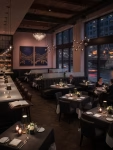
Social media habits also differ here. Many Angelenos document their lives extensively, tagging locations, posting food photos, and checking in at events. If you’re meeting someone in a high-visibility venue, assume that photos are being taken around you, even if not directly of you. Choosing restaurants or lounges that don’t encourage this behavior—places with dimmer lighting, booth seating, or a more subdued atmosphere—reduces the chance that your evening ends up in someone else’s feed.

Weeknight events such as gallery openings, outdoor film screenings, or neighborhood wine walks provide natural cover for meetings. These gatherings draw diverse crowds, rarely involve posed photos, and offer easy conversation starters. They also create plausible context if someone you know happens to be there—you’re attending an event, not arranging a private encounter.
Mapping your comfort zones
Identify two or three neighborhoods where you feel comfortable and can reach within thirty minutes during typical travel windows. Keep a rotating list of venues in each area so you’re never scrambling for last-minute options or defaulting to the same spot every time.
Accounting for traffic realities
Check travel times during the actual window when you plan to meet, not during off-peak hours. What takes twenty minutes at 11 a.m. might require an hour at 6 p.m. Build in buffer time and confirm timing the day before to avoid last-minute scrambles that increase stress before you’ve even sat down.
Choosing lower-visibility venues
Prioritize restaurants and lounges in neighborhoods that attract locals rather than tourists or influencers. Look for dimmer lighting, booth seating, and environments where people focus on conversation rather than performing for social media. Avoid hotspots known for celebrity sightings or heavy paparazzi presence unless high visibility aligns with your goals.
Managing schedules and communication in a city that runs on hustle
Los Angeles operates at a pace that rewards flexibility and punishes rigidity. Industry schedules shift on short notice. Meetings run late. Auditions, pitch sessions, and client dinners can’t always be predicted a week in advance. That reality makes clear, upfront communication about availability more important than in cities with more predictable rhythms.

Many find it useful to establish a baseline expectation early: how much notice do you need for plans, and how flexible can you be if something changes? Some prefer locking in a specific day and time three or four days ahead. Others work better with a general window—”sometime Thursday evening”—and then confirming details the day before. Neither approach is better, but mismatched expectations create unnecessary tension.
Having backup options ready also reduces friction. If the original plan falls through because of traffic, a work conflict, or an unexpected obligation, suggesting an alternative time or location keeps momentum going without forcing either person to start from scratch. A simple “Thursday didn’t work, but I’m free Saturday afternoon—want to meet in Culver City instead?” moves things forward without dwelling on the cancellation.
Texting habits matter more than they might in other cities. Angelenos often juggle multiple commitments simultaneously, so brief, clear messages work better than lengthy back-and-forth exchanges. Confirming time and location the morning of or the evening before prevents miscommunication and shows respect for the other person’s schedule. It also reduces the chance that one person arrives at the wrong venue or waits longer than expected.
When someone’s running late—and in LA, that happens—a quick update makes a difference. “Traffic’s worse than expected, probably 20 minutes behind” gives the other person the option to grab a drink at the bar, take a walk, or adjust their own timing. It also signals that you’re aware of the delay and not just ignoring it.
Navigating overlapping social circles without creating awkwardness
Los Angeles can feel sprawling and anonymous, but certain professional and social networks overlap more than outsiders might expect. Entertainment, tech, finance, real estate, fashion, and hospitality all run through a relatively concentrated set of venues, events, and neighborhoods. Running into someone you know isn’t rare, and planning around that possibility reduces the chance of uncomfortable encounters.
Some choose to meet first in busier, more anonymous settings—a rooftop bar in Downtown, a large outdoor market, or a crowded brunch spot—before moving to quieter venues later. This approach allows both people to gauge comfort levels in a context where they’re just two people in a crowd, not a noticeable pair in an intimate setting. If the connection feels strong, transitioning to a more private environment later in the evening or on a subsequent date becomes easier.
Others prefer starting in quieter locations from the beginning, accepting the tradeoff that these venues offer less anonymity but more space for genuine conversation. The right choice depends on your specific situation, but thinking through the variables ahead of time prevents reactive decisions in the moment.
Social media tagging represents another potential friction point. Many people in LA tag locations, restaurants, or events automatically. If you’re prioritizing discretion, keeping your social media habits separate from your dating life becomes more important. That might mean asking directly not to be tagged in photos, or simply avoiding venues where heavy documentation is expected.

Parking choices also influence visibility. Valet parking at high-profile restaurants increases the chance that someone you know will see your car or notice you arriving. Self-parking in a nearby lot or garage offers more control and reduces those touchpoints. It’s a small adjustment, but these small adjustments accumulate into a smoother overall experience.
Balancing flexibility with clear boundaries
LA’s culture rewards adaptability, but that doesn’t mean accepting chaos or unclear expectations. Flexibility works best when it operates within a framework both people understand. If someone consistently cancels last-minute, doesn’t confirm plans, or expects the other person to do all the logistical work, that’s not flexibility—that’s inconsistency.
Setting boundaries around scheduling, communication, and privacy doesn’t make you inflexible. It signals that you respect your own time and expect the same in return. That might mean establishing a guideline that plans need to be confirmed at least 24 hours in advance, or that last-minute changes require a phone call rather than a text. These aren’t rigid rules—they’re practical agreements that make coordination easier.
Privacy boundaries work the same way. If you prefer not to meet in certain neighborhoods, don’t want photos taken, or need to avoid specific venues where professional contacts gather, stating that early prevents misunderstandings later. Most people appreciate clarity over ambiguity, especially in a city where social dynamics can shift quickly.
At the same time, recognizing when the other person’s constraints are legitimate helps maintain balance. If someone’s schedule genuinely shifted because of a work obligation, and they immediately suggest an alternative, that’s different from someone who habitually flakes without explanation. Navigating these dynamics without overcomplicating the relationship requires paying attention to patterns rather than isolated incidents.
Why thinking ahead about logistics improves everything else
Los Angeles doesn’t reward spontaneity the way denser, more walkable cities do. A spur-of-the-moment decision to meet across town can turn into an hour of frustration before you even arrive. That doesn’t mean every date needs to be planned down to the minute, but it does mean that a baseline level of logistical awareness makes the actual time together feel less strained.
When you account for traffic, parking, neighborhood overlap, and privacy considerations upfront, the focus shifts away from logistics and toward connection. You’re not wondering whether you’ll run into someone you know, worrying about whether parking will be impossible, or arriving frustrated because you underestimated drive time. Instead, you walk in calm, present, and ready to engage.
That shift in energy matters more than most people realize. First impressions form quickly, and if one person arrives flustered while the other spent thirty minutes waiting without a text update, the evening starts on uneven footing. Avoiding that dynamic doesn’t require perfection—it just requires thinking a few steps ahead.
Los Angeles rewards people who understand that the city’s geography, pace, and social culture aren’t obstacles—they’re variables you can plan around. Just as neighborhood dynamics shape date planning in Chicago, LA’s unique sprawl and image-conscious atmosphere require their own adjustments. When you treat those variables as part of the process rather than frustrations to tolerate, the experience becomes significantly smoother. For those looking to connect with others who understand these dynamics, join Sugar Daddy Planet USA to find people navigating the same landscape with similar priorities around discretion, flexibility, and mutual respect.
Frequently asked questions
Brentwood, Culver City, Silver Lake, Los Feliz, the Marina, and Atwater Village offer upscale but understated environments with less influencer and paparazzi presence. These areas attract local crowds rather than tourists, provide booth seating and dimmer lighting in many venues, and reduce the likelihood of running into heavy social media documentation or celebrity sightings. Weeknight visits further lower visibility compared to weekend peak hours.
Most people prefer confirming plans three to four days ahead, then reconfirming time and location the day before. LA schedules shift frequently due to work demands, so establishing baseline expectations early—whether you need firm commitments or prefer flexible windows—prevents frustration. Building in buffer time for traffic and having backup options ready when plans change reduces stress and keeps momentum going without repeated rescheduling.
Keep the interaction brief and natural. A quick hello, minimal introduction, and smooth transition back to your conversation usually works best. Discussing this possibility beforehand with your date reduces awkwardness if it happens. Choosing venues in neighborhoods outside your usual social circles lowers the likelihood of these encounters, but having a plan—such as describing your date simply as a friend—prevents hesitation in the moment.
Establish baseline guidelines early, such as confirming plans at least 24 hours ahead or preferring phone calls over texts for last-minute changes. Flexibility works best within a framework both people understand. Recognize when changes reflect legitimate constraints versus habitual inconsistency. Clear communication about needs—whether around timing, location, or privacy—prevents misunderstandings and maintains mutual respect without rigidity.
Yes, starting in larger, more crowded settings like rooftop bars or busy markets allows both people to gauge comfort levels without drawing attention. You’re simply part of the crowd. If the connection feels strong, transitioning to quieter, more intimate venues on the same evening or during subsequent dates becomes easier. This approach provides built-in flexibility while maintaining discretion during initial meetings when impressions and comfort levels are still forming.